Each fall and winter, I find myself fighting seasonal depression.
As the days got shorter and the weather turned colder this fall, I found the usual darkness infringing on the edges of my brightness. This year, with a little help from external supports, I’ve decided to battle the darkness.
For the past six years, I have spent my lunch hours at my desk working. My office doesn’t have windows. I would go morning to night without even seeing outside, except for the times of day when I was teaching in a classroom or when walking in a hallway with windows. Often, I would arrive at home in the evening just as darkness was falling. In the wintertime, I often walk my dog in the dark. The only daylight hours I spent outdoors were on weekends.
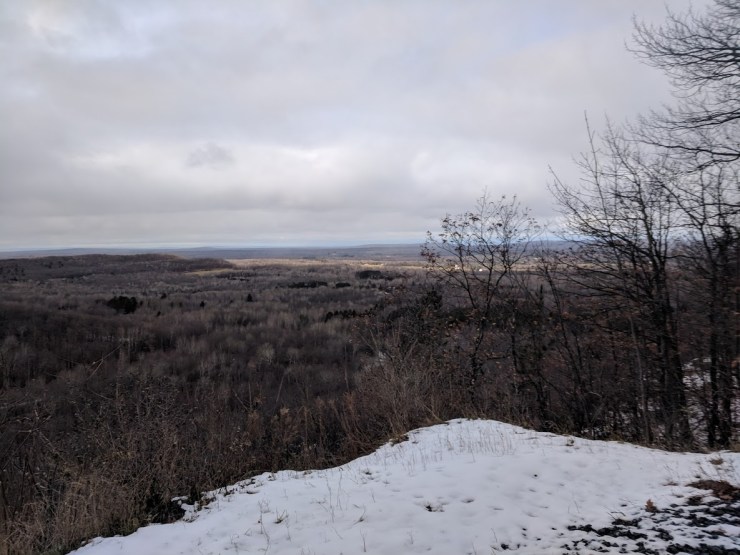
This year, I’ve chosen to take the simple step of getting outdoors during my lunch hour every day. Gogebic Community College, where I work, is situated on Mt. Zion, a small mountain that is part of the Gogebic Range. In September, I discovered I can leave my office and five minutes later be on a hiking trail that winds around the back of the mountain. This fall, I have committed myself to two days each week of hiking this trail and three days a week of running (not on Mt. Zion!).
Today, I heard a podcast from NPR’s Hidden Brain that resonated with my decision. The episode title (with link) is Our Better Nature: How The Great Outdoors Can Improve Your Life. This episode discusses research that shows that exposure to nature, our body’s natural evolutionary habitat, has significant, measurable effects on our mental and social well-being.
I have seen these positive effects on my mental health and relationships this fall. I plan to keep this up throughout the winter.
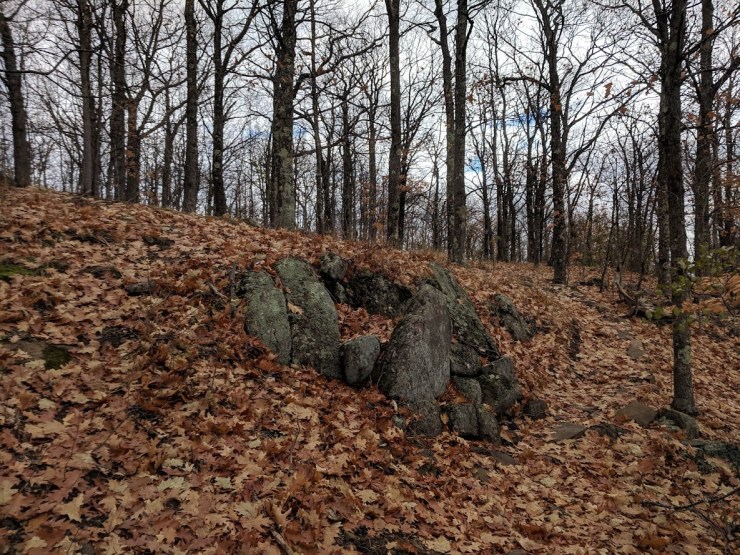
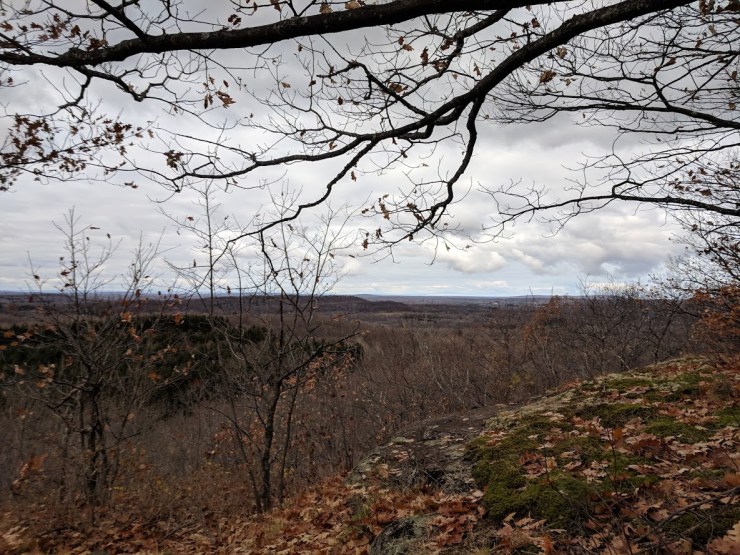
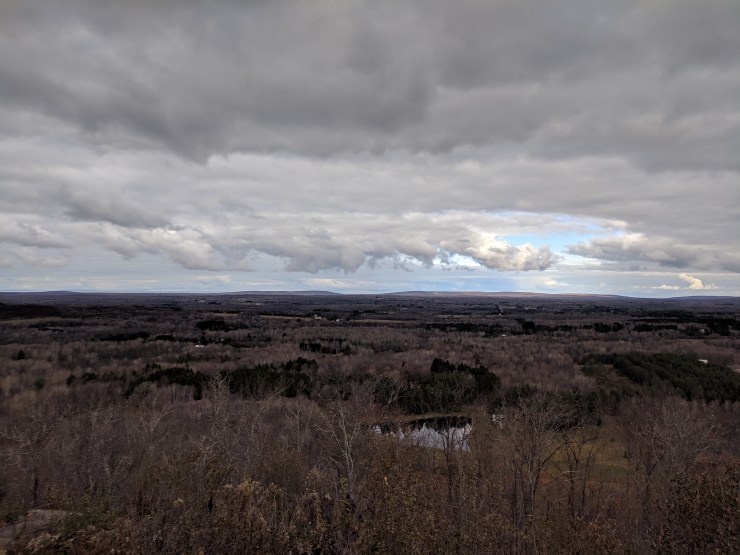
Here are a few pictures that document the seasonal changes I’ve witnessed on Mt. Zion this fall.
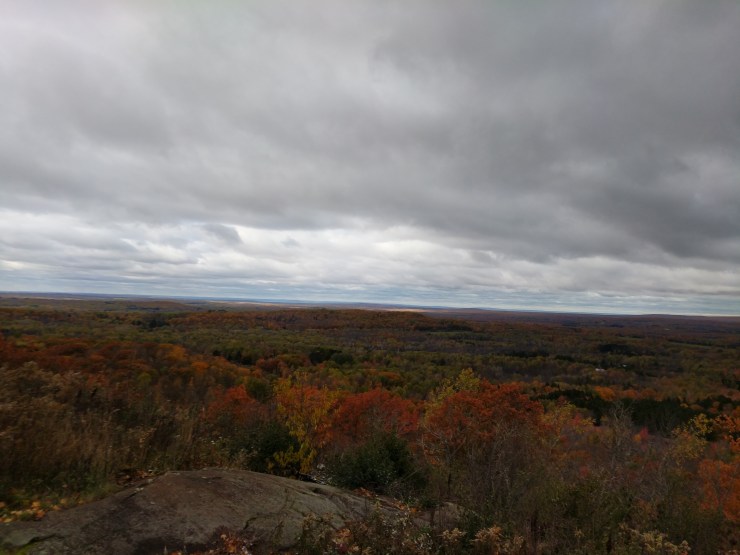
October 15
 The UPside